There is no standard definition. Depending on the vendor, a billable “conversation” can mean a whole email thread, each customer email that gets an AI reply, a chat session, or only conversations the AI resolved on its own. Follow-ups, skipped mail and time windows are counted differently too. Before comparing prices, apply each vendor’s rule to one real month of your own email.
Why does the definition matter so much?
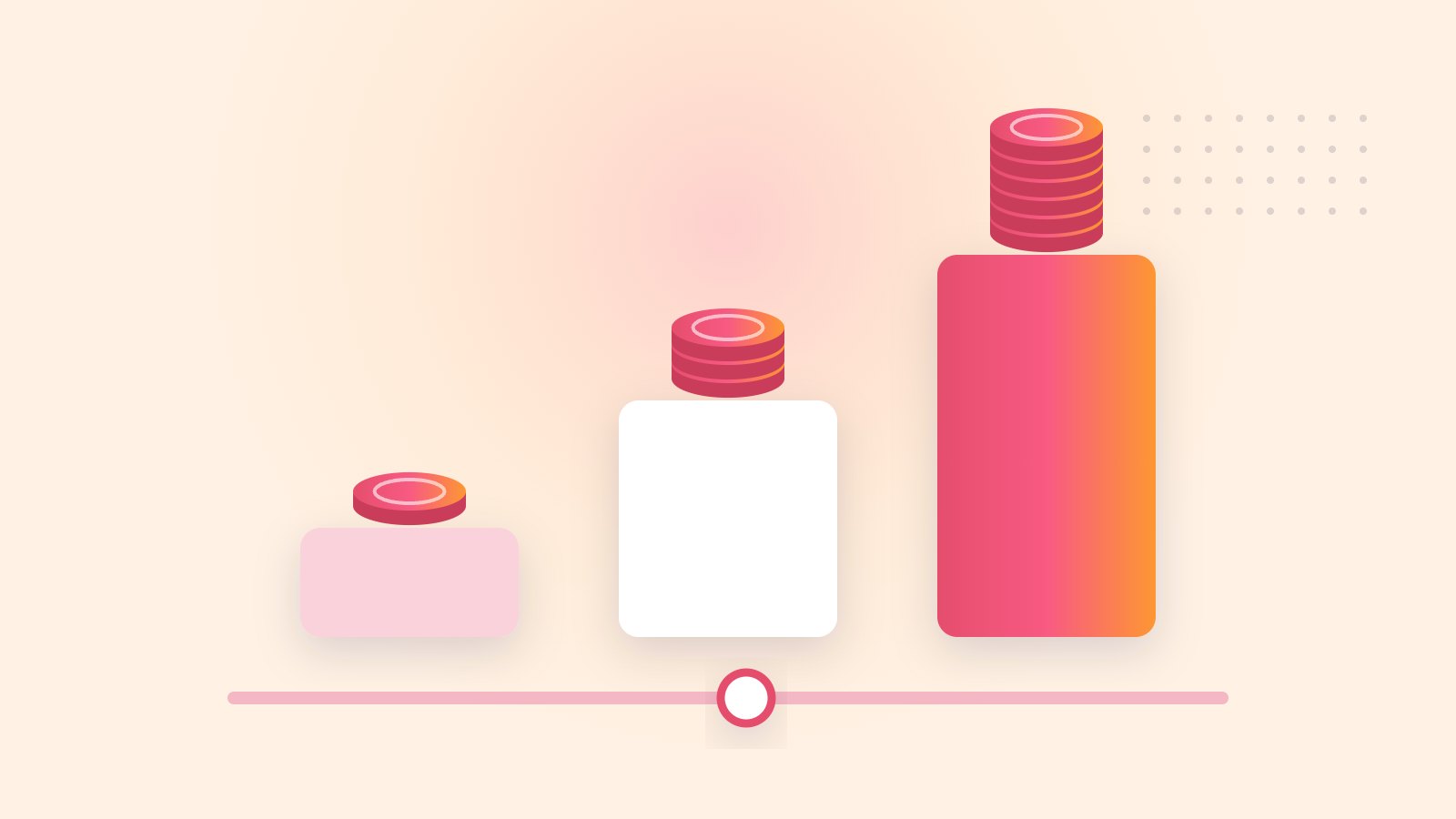
Because the same inbox produces very different counts. Take one month with 300 customer threads, in which customers wrote 450 emails in total (some wrote back once or twice), and the AI handled all of them:
| Counting rule | Units that month |
|---|---|
| Per thread | 300 |
| Per customer email that gets a reply | 450 |
| Per resolution, if the AI answered on its own and a third of customers wrote back | about 200 |
A price that looks 30% cheaper per unit can be more expensive per month if the unit is counted more often. The numbers here are an example; your own month is what counts.
What are the common ways vendors count?
- Per thread. One unit for the whole email conversation, however many times the customer writes.
- Per customer email. One unit each time a customer email gets a draft or a reply. A thread where the customer writes three times is three units.
- Per session or time window. One unit per chat session, or per period of activity, after which a new message starts a new unit.
- Per resolution. One unit only when the conversation counts as resolved, usually meaning the customer did not ask for more help within a set time.
- Per seat. No conversation count at all; you pay per person.
None of these is wrong. What matters is knowing which one applies, and what your month looks like under it.
Which edge cases change the count?
Ask about each of these, because they add up:
| Situation | Question |
|---|---|
| The customer writes again in the same thread | New unit, or the same one? |
| The tool skips a newsletter, receipt or auto-reply | Counted or not? |
| A rule you set excludes an email from drafting | Counted or not? |
| You ask the tool to rewrite a draft | Extra unit? |
| A draft is written but you never send it | Counted? |
| The customer returns weeks later in the same thread | New unit? |
| Internal forwards and colleagues’ emails | Counted? |
Write the answers down. They are the real price list.
How do you estimate your own count?
- Pick a typical month from your support inbox or sent folder.
- Count customer threads, excluding newsletters, notifications and internal mail.
- Count customer emails within those threads (first messages plus follow-ups).
- Remove anything you would exclude from AI drafting, such as legal requests.
- Apply each vendor’s rule and multiply by their price.
If you do not want to count by hand, count threads and add an estimate for follow-ups based on ten sample threads.
What if one email asks several questions?
Under a per-email or per-thread rule, one customer email with three questions is still one unit: the reply answers all three. Under a per-resolution rule, it depends on whether the customer comes back about any of them. That makes complete replies doubly useful. Answering every question in the first reply saves the customer a round trip, and under per-email counting it also avoids a follow-up that would be counted again.
How do counting rules change how you work?
A little, and mostly for the better. Per-email counting rewards replies that settle things in one go: ask for everything you need at once and answer the next question before it is asked. How to answer customer email faster without lowering quality has a section on reducing back-and-forth. Per-seat pricing rewards keeping the number of people with access small. Per-resolution pricing is the one to watch, because the vendor earns more when conversations close, whether or not the customer was helped.
How does ReplyPen count a conversation?
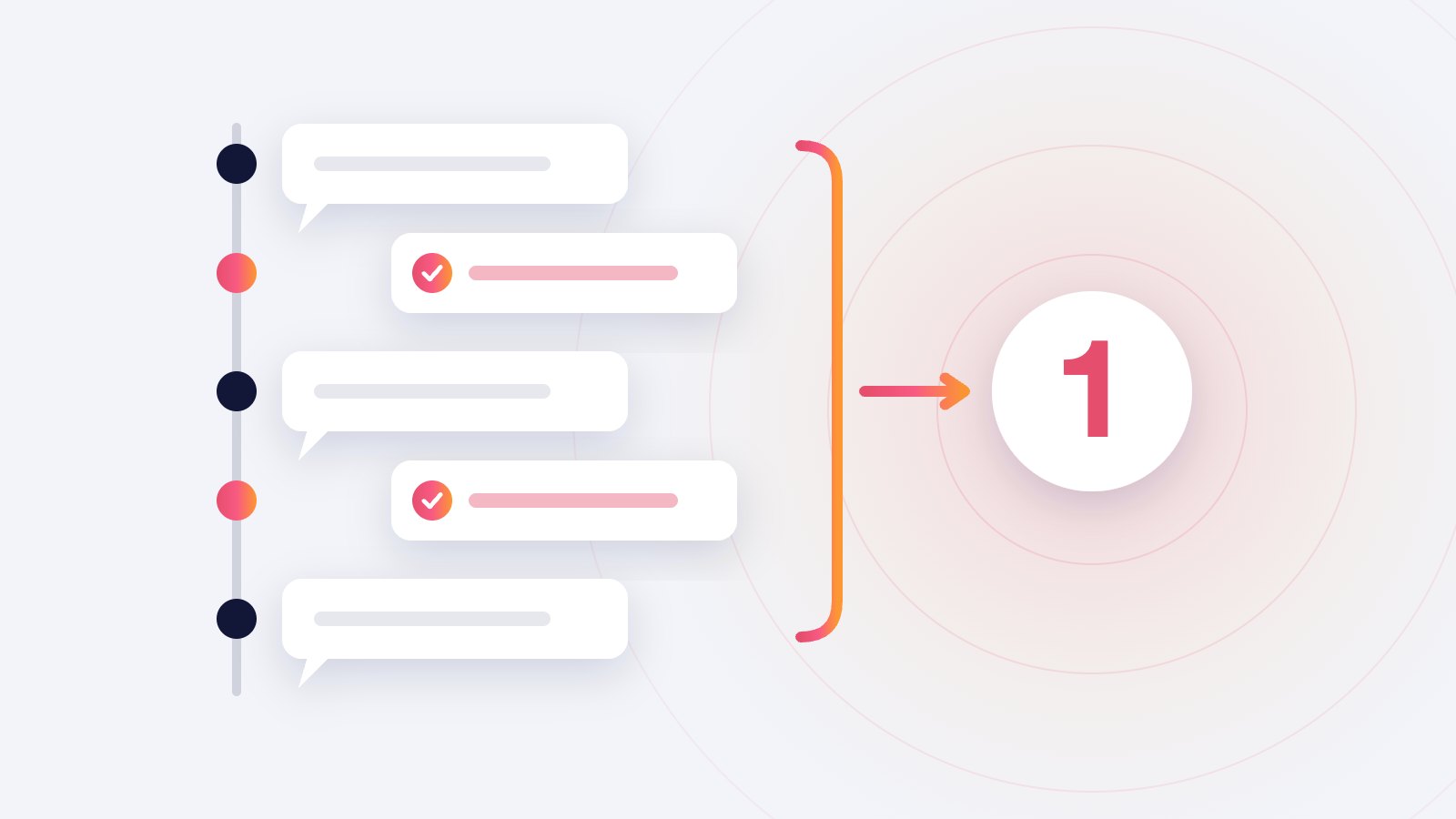
A conversation is one customer email thread in which you use a ReplyPen Draft, by sending it as written or after editing. It counts once, however many times the customer writes in that thread.
| Situation | Counted? |
|---|---|
| A customer emails, you send the Draft (with or without edits) | Yes, one conversation |
| The customer writes twice more in the same thread and you use those Drafts too | No, still the same one conversation |
| You ask ReplyPen for a new version of a Draft | No |
| A Draft you never send, for example because you write the reply yourself | No |
| Newsletters, notifications, receipts, auto-replies, internal mail and spam | No, skipped automatically |
| Email your own Rules tell ReplyPen to skip, by sender, domain or subject | No |
So you pay for Drafts that did their job, once per thread. Rules let you keep senders or topics out entirely. The price at launch is €0.25 per conversation; there is no spending limit you can set today. See the pricing page for examples at different volumes.
What should you ask a vendor before signing up?
- What exactly is one billable unit, in one sentence?
- Is a follow-up from the customer in the same thread counted again?
- Are emails the tool skips, or that my rules exclude, counted?
- Is a rewritten draft counted again?
- Can I see my count during the month?
If a vendor cannot answer the first question in one sentence, you will not be able to predict your bill.
For how the counting rule fits into the full cost picture, read How much does AI for customer email cost?. To compare pricing models side by side, see Per conversation, per seat or per resolution.